
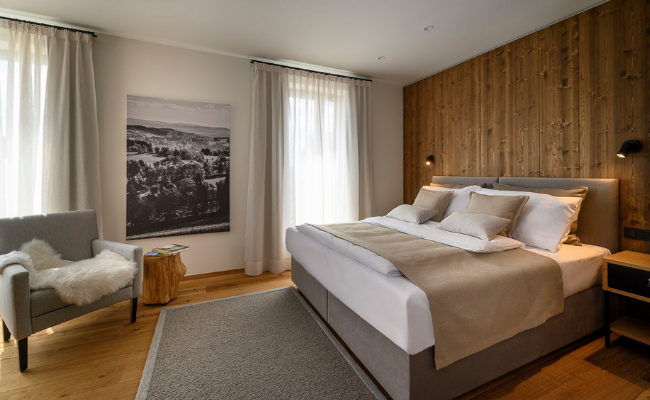
Profesionálne hotelové postele: štandardy pre hotelové prevádzky
Profesionálne hotelové postele: čo by mali ponúkať?

Hotelové postele sú zásadne odlišné od postelí navrhnutých pre rezidenčné použitie. To platí pre luxusné päťhviezdičkové hotely rovnako ako pre menšie butikové zariadenia a penzióny. Ak je cieľom konzistentná spokojnosť hostí a vysoká kvalita spánku, posteľový systém musí spĺňať špecifické prevádzkové a komfortné štandardy.
Kľúčové požiadavky profesionálnej hotelovej postele
- Kvalita spánku je hlavným poslaním každého poskytovateľa ubytovania. Posteľ priamo určuje spokojnosť hostí, recenzie a mieru návratnosti.
- Profesionálne hotelové postele nemusia byť nevyhnutne drahšie ako rezidenčné postele — musia však byť navrhnuté pre intenzívne každodenné používanie.
- Systém typicky pozostáva zo samostatnej posteľovej základne a voľne uloženého matraca. Matrac nie je zapustený v okolitom ráme. Prečo?
- Pri spojení dvoch jednolôžkových postelí do dvojlôžkovej nevzniká nepríjemná medzera.
- Postele sa ľahšie ustielajú pre tímy housekeepingu.
- Hostia si neudierajú nohy o vyčnievajúce rámy.
- Spojenie postelí je možné rýchlo a bezpečne zafixovať.
- Optimálna finálna výška matraca v moderných hotelových izbách je 58–61 cm.
- Táto výška zlepšuje estetiku izby a vytvára reprezentatívny vizuálny dojem.
- Zlepšuje ergonómiu a uľahčuje vstávanie a líhanie do postele.
Konštrukcia posteľovej základne v hotelovom segmente
- Základňa môže pozostávať z čalúneného plného boxu, vystuženej platformy, lamelového rámu vo vnútri pevnej konštrukcie alebo v niektorých prípadoch z boxspringového systému.
- Základňa môže byť umiestnená na nožičkách alebo na sokli.
- Nožičky môžu mať klzáky pre ľahší pohyb v závislosti od typu podlahy.
- Voľný priestor pod posteľou menší ako 11 cm výrazne komplikuje upratovanie a odstraňovanie prachu.
- Boxspringové systémy majú vnútorné odpruženie zabudované priamo v základni a typicky sa kombinujú s jednoduchšími konštrukciami matracov.
Hotelový matrac: kritická súčasť
- Matrac je najdôležitejším prvkom celého posteľového systému.
- Musí poskytovať dlhodobý komfort a odolávať náročnej hotelovej prevádzke.
- Jadro najčastejšie tvorí pružinová alebo taštičková pružinová technológia.
- Taštičkové pružiny obsahujú individuálne zabalené pružiny v textilných taštičkách, čo zabezpečuje optimálne rozloženie hmotnosti a komfort hostí.
- Matrace by sa mali pravidelne otáčať.
- Štandardná životnosť sa pohybuje medzi 10–15 rokmi.
- Renomovaný výrobca typicky poskytuje 5-ročnú záruku.
- Debata medzi penovým a pružinovým jadrom pokračuje. Väčšina medzinárodných hotelových reťazcov sa však spolieha na pružinové systémy — a pre túto voľbu existujú jasné prevádzkové dôvody.
Čelá postelí v hotelovom dizajne
- Čelá postelí sú zvyčajne montované na stenu samostatne od posteľovej základne.
- Posteľové základne sú voľne umiestnené proti nim.
- Čelá môžu byť pevné alebo čalúnené — je potrebné zvážiť požiadavky na údržbu.
- Pre údržbu a prevenciu škodcov sa odporúča jednoduchá demontáž.
Voľba správneho hotelového posteľového a matracového systému priamo ovplyvňuje prevádzkovú efektivitu, výkon housekeepingu, dlhodobú odolnosť a celkový zážitok hostí.
Aký posteľový systém zvolíte pre svoje zariadenie?
Jaroslava Vyskočilová
Senior špecialistka na housekeeping
Lubomír Unar
Český výrobca profesionálnych hotelových postelí a matracov


